
Should You Hire One Crew or Separate Specialists?
If the job is one trade with no shared edges, like a gutter repair, hire the specialist for that trade. If two or more trades meet on the same project, like a patio cover over a new slab with gutters, one crew that owns the whole job usually costs less, because the expensive problems sit at the seams between trades.
TLDR:
- One trade, no shared edges: the specialist for that trade is usually the simpler call
- Two or more trades that touch each other: one coordinating crew usually costs less overall
- The cost hides in extra trips, idle days between trades and rework at the seams
- Separate bids rarely price the handoffs, so the cheapest stack of bids is not the cheapest job
- In Louisiana, a home improvement job over $7,500 needs a contractor registered with the LSLBC
- Louisiana law can let an unpaid sub or supplier claim a privilege on your property, so track who pays whom
Around Baton Rouge, plenty of outdoor projects start small and grow. A homeowner wants a patio cover, then the old slab is cracked, then the gutters need to carry the new roof water somewhere useful.
By then the question is not just who builds the cover. It is who owns the entire project. Our general construction team in Baton Rouge handles that kind of project, and the honest answer is that not every job needs one crew.
Not sure if your project is one trade or several? Tell us what you want built. We will walk the site, show you every place the work touches, and quote it plainly.
What a Specialist Does Best
A specialty contractor does one trade and does it every day. For a job that stays inside that trade, that focus is exactly what you want.
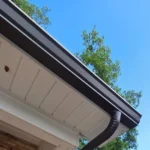
Think of a sagging gutter section, a clogged downspout or a cleaning before storm season. None of those touch the slab, the roof framing or the patio cover. A gutter crew can show up, do the work and leave, and nobody else has to coordinate with them.
On jobs like that, adding a general contractor adds a layer without adding much value. You pay for coordination that the job does not need. If a gutter repair in Baton Rouge is the whole job, call the gutter crew.
Where Multi-Trade Jobs Get Expensive
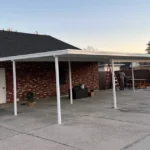
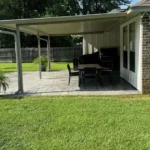
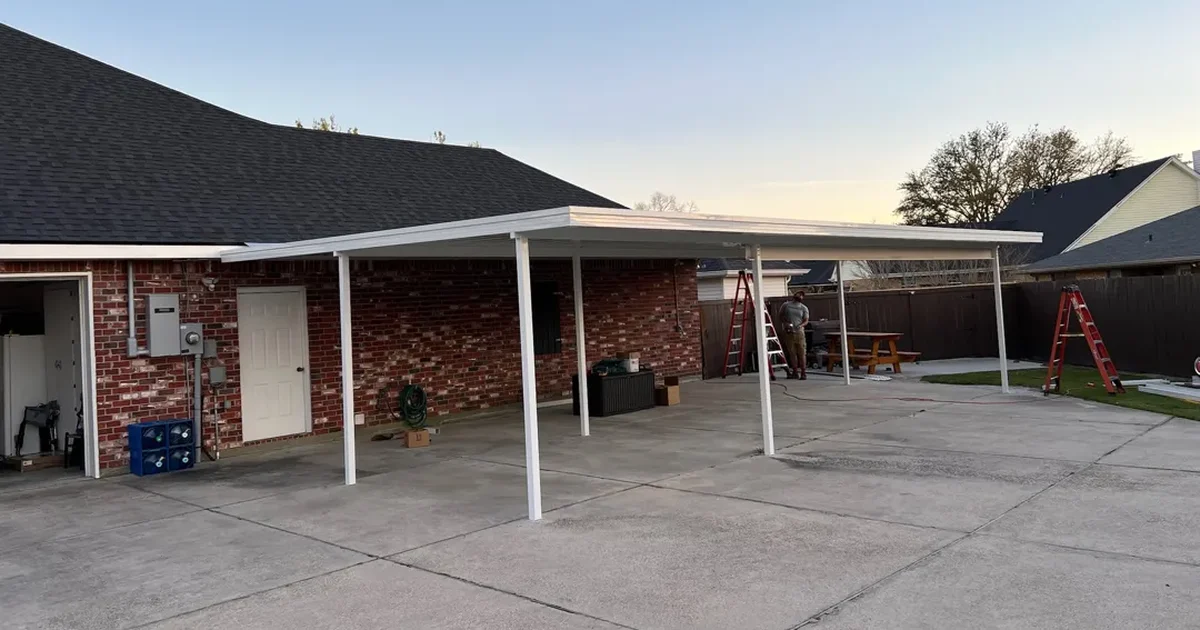
The picture changes when trades start touching each other. An attached patio cover is a good example, because four pieces of work meet in a small space.
The roof tie-in and flashing meet the cover. The cover posts meet the slab. The gutter water has to land somewhere on or past the slab. Each meeting point is a detail someone has to own.
With separate crews, each one prices its own scope. The handoffs between them often belong to nobody. That is where leaks, cracked footings and puddles under the cover tend to come from.
The Hidden Costs of Separate Crews
Splitting a job across trades can look cheaper on paper. Three bids, each one lean, add up to less than one combined quote. The difference is in what those bids leave out.
| Cost | Separate specialists | One coordinating crew |
|---|---|---|
| Trips to the site | Each trade mobilizes on its own schedule | Trades are sequenced in one plan |
| Waiting between trades | Days lost when one crew is late | Gaps are planned out before work starts |
| Seams between trades | Often outside every bid | Part of one scope |
| Rework | Settled between crews, often after the fact | Fixed by the crew that owns it |
| Your time | You schedule and referee | One point of contact |
None of those rows show up as a line item on a bid. They show up as a second trip, a week of a half-built patio or a slab that has to be cut for a post that moved.
A single crew does charge for coordination. On a multi-trade job, that charge typically costs less than the trips, waits and rework it replaces.
How the Order of Work Changes the Price
Multi-trade jobs are also about order. Some steps have to happen before others, and getting that order wrong is the most common way a simple project turns into a costly one.
Footings for the cover posts, for example, are planned with the slab, not drilled into it afterward. The slab slope is set knowing where the gutter water will land. Our guide to planning an outdoor room as one job walks through that build order step by step.
When separate crews work from separate plans, nobody owns the sequence. One crew finishing early does not help if the next one cannot start for two weeks.
Planning a cover, a slab and gutters together? We plan the posts, the slope and the water path as one job, so nothing has to be torn out later.
Which Kind of Job Do You Have?
Most projects fall clearly on one side. The quickest test is to count the trades and ask if any of them share an edge.
If you land on the specialist side, keep it simple. If you land on the coordinating crew side, ask each bidder who owns every seam in Figure 1, and get that answer in writing.
What to Check Before Anyone Starts
Licensing and payment are the two places a hiring choice can go wrong in Louisiana. Both apply no matter which route you pick.
The Louisiana State Licensing Board for Contractors FAQ says a home improvement project over $7,500 needs a contractor who holds a home improvement registration. A residential construction project over $75,000 needs a residential license. Labor and materials count together toward that total, no matter who buys the materials.
You can look up any contractor by name, license number or parish in the LSLBC contractor search before you sign. The same FAQ notes the board requires proof of insurance before it issues a license or registration.
Payment matters too. Under Louisiana’s Private Works Act, R.S. 9:4802, subcontractors, workers and material sellers on a job can have a claim against the owner, secured by a privilege on the property. One contractor who pays every sub and supplier and gives you releases as payments go out makes that easier to track than several crews paying their own suppliers.
Where Performance Patios and Gutters Fits
We are a specialty contractor for patio covers, concrete and gutters that also runs general construction and renovation work. That means we can be the specialist on a one-trade job or the single crew on a project where the trades meet.
As a firefighter-owned company with over 12 years of experience, we would rather tell you a job only needs one trade than sell you coordination you do not need.
What Baton Rouge Homeowners Ask About Hiring One Crew or Several
These are the questions that come up most when a project touches more than one trade. If your project is somewhere in between, the answers below should help you sort it out.
Is a general contractor always more expensive than hiring trades directly?
No. On a one-trade job, hiring the specialist directly is usually cheaper, because there is nothing to coordinate. On a job where several trades meet, one crew often costs less overall, since it avoids extra trips, idle days between trades and rework at the seams that separate bids leave out.
When should I hire a specialty contractor instead?
Hire the specialist when the work stays inside one trade and does not touch anything else. A gutter repair, a downspout fix or a gutter cleaning are good examples. Nothing about the slab, the roof framing or a patio cover changes, so there is no handoff for anyone to coordinate.
Does a contractor in Louisiana need a license for a patio cover?
It depends on the total. The LSLBC says a home improvement project over $7,500, counting labor and materials together, requires a contractor with a home improvement registration. A residential construction project over $75,000 needs a residential license. You can check any contractor in the LSLBC contractor search.
What is the risk of paying several contractors separately?
The main risk is gaps. Each crew prices its own scope, and the details where their work meets can fall outside every bid. Louisiana’s Private Works Act can also let an unpaid sub or supplier claim a privilege on your property, so ask each contractor for releases as you pay.
Can one company handle the patio cover, slab and gutters together?
Yes. Performance Patios and Gutters plans the posts, the slab slope and the gutter water path as one job. That way the footings, the drainage and the cover are set to work together from the start, instead of being fixed after separate crews finish their parts.
What should I ask a contractor about a multi-trade project?
Ask who owns each seam: the flashing where the cover meets the house, the posts where they meet the slab and the spot where gutter water lands. Ask for the order of work, one point of contact and written lien releases as payments go out.
One Plan, One Owner for Every Seam
The cheapest route depends on the job. One trade belongs with the specialist. Several trades that touch each other cost less when one crew owns the plan, the order and every seam in between.
If you are not sure which job you have, we will tell you. Homeowners in Denham Springs and across the Baton Rouge area get the same straight answer.
One trade or many, get a straight answer first. We will walk the project, count the trades and tell you plainly what it takes, with a clear quote and no surprises.