How Often Should You Clean and Inspect a Patio Cover?
Clean and inspect a patio cover at least once a year, and more often if pollen, leaves or mildew build up. Wash it with mild soap, a soft brush and a gentle rinse, then check the fasteners, caulk, beams, posts and gutters. Problems caught early are usually easier to fix.
TLDR:
- Coating guidance points to a wash at least once a year, sooner in wetter climates
- Use mild soap, a soft brush and a garden hose before you reach for anything stronger
- Bleach mixes are a problem here: Clorox says not to use its solution on aluminum gutters
- If you use a pressure washer, stay on low and keep the spray off the caulked screws
- Check 8 things while the panels are clean, from fasteners to where the water lands
- Sag, soft wood, spreading corrosion or a loose post are repair calls, not cleaning jobs
A patio cover in Baton Rouge works hard for a thing nobody looks at. NOAA’s 1991 to 2020 normals for the Baton Rouge airport show 61.94 inches of rain a year, with 77 days reaching at least a tenth of an inch.
Between those rains, the top of the cover collects pollen, leaves and grime that stay damp. You rarely see any of it from the patio chair. An hour a year fixes that, and bigger covers will take a little longer.
The rain does not leave much of a gap to wait for, either. Even the driest month here averages close to 4 inches.
Would you rather not get on the ladder? We clean the cover, look it over, and tell you plainly what we find.
The first question is how often that hour needs to happen, and the published guidance is fairly consistent.
How Often the Coating Makers Say to Clean
There is no Louisiana rule for this, so the best guidance comes from the companies that make finishes for aluminum. Their numbers cover architectural metal in general, so treat them as a starting point rather than a rule for your exact cover.
- A Tiger powder coating cleaning sheet says regular cleaning at least once a year is a prerequisite for guarantee claims.
- An Interpon guidance note from AkzoNobel lists every 12 months for its standard coating at inland temperate sites, and every 9 months at inland tropical ones.
- Tiger’s architectural guide separately recommends yearly inspections, so coating damage is caught early.
- Patio Kits Direct, which sells aluminum cover kits, says at least twice a year, and sooner if dust or pollen builds up.
Once a year is the floor. Twice is reasonable if your cover sits under trees. Check your own warranty paperwork too, since the cleaning terms vary by product.
What to Wash a Patio Cover With
Start with the mildest thing that could work. The Tiger sheet calls for clean water with a neutral washing agent, pH 5 to 8, and nonabrasive soft cloths. It also says to avoid strong rubbing, abrasives and detergents of unknown composition.
Timing matters more than most people expect. The same sheet says the surface should not be above 77 °F during cleaning, that detergent should not stay on longer than an hour, and that you should rinse with clean water right after. Here, that makes a cool morning or a shaded stretch of the day the better choice.
A simple routine covers most covers:
- Rinse from the high side to the low side with a garden hose to knock off loose debris.
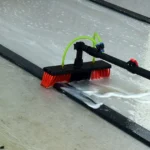
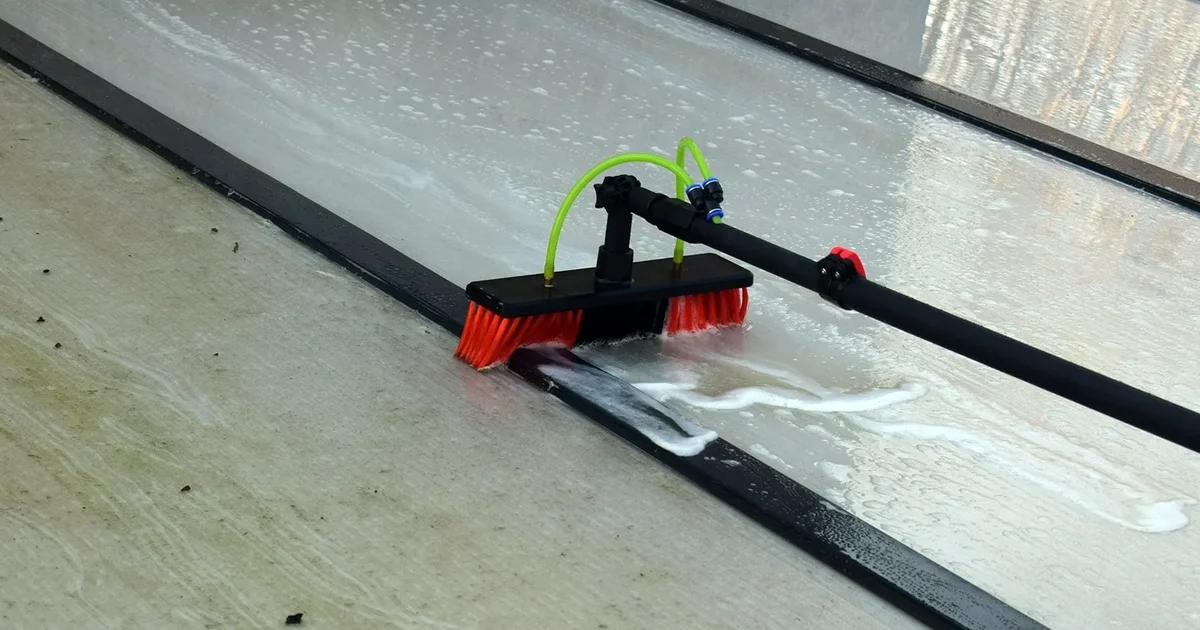
- Scrub with mild soap and a soft brush on a long pole, one section at a time.
- Rinse each section before the soap dries.
- Flush the gutter and downspout last, since all of that dirt ends up there.
If you would rather hand this off, that is what our patio cover cleaning in Baton Rouge is for.
What Not to Use on an Aluminum Cover
Going too strong is the avoidable mistake. Three habits are worth dropping before you start.
Bleach mixes. This is the one that surprises people, because bleach is the usual answer to mildew. Clorox’s own outdoor mildew guide says its solution should not be used on aluminum gutters or windows, and to rinse thoroughly if it touches them. If mildew will not lift with soap, ask about a cleaner made for your finish.
Abrasives. Scouring pads and harsh brushes scratch the finish. Interpon rules out any abrasive cleaner or polish outright. For stubborn stains, it says to dilute a stronger household product and test a small hidden spot first.
High pressure. A pressure washer is not automatically off the table, but the published advice is cautious. House Digest’s guide to aluminum covers says to start on the lowest setting, avoid ultra-high pressure, stay at least a foot away on the final rinse, and keep the spray off the caulk around the screws. That last one matters most, because caulk is what keeps the water out.
Here is the published advice in one place, with the do’s next to the things to avoid.
Mildew that will not lift, or a finish you are not sure about? Tell us what the cover is made of, and we will tell you what is safe to use on it.
With the panels clean, you can finally see them. That makes this the right moment for the inspection.
The 8 Things to Check While It Is Clean
Dirt hides early problems, so do this part right after the rinse. Work from the ground where you can, and only climb if you can do it safely. The drawing shows where each item sits on a typical attached cover.

| What to check | What you are looking for |
|---|---|
| Screws and bolts | Loose, missing or rusting fasteners |
| Caulk and sealant | Cracks, gaps or caulk pulling away |
| Flashing at the house | Gaps where the cover meets the wall or roof |
| Panels | Dents, cracks, chalky or peeling finish |
| Beams and rafters | Sag, bowing or separated joints |
| Posts and footings | Movement, leaning or rust at the base |
| Gutters and downspouts | Clogs, standing water, loose hangers |
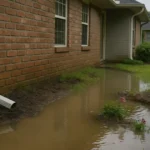
| The patio below | Drips, stains or water pooling after rain |
The same list works as a walk-around card.
Fasteners get first place for a reason. Patio Kits Direct advises checking that screws, bolts and connections are tight and free of corrosion. The bigger concern is mixed metals. A galvanic corrosion primer from engineers at WJE explains that dissimilar metals in contact, with a water-based solution present, can make one metal corrode in preference to the other. Its examples include galvanized steel fasteners used with aluminum parts.
That is why a damp mat of leaves around a screw head is worth clearing. It is also why rust stains deserve a closer look than a wipe. If the water is the part that worries you, our guide to where patio cover water actually goes walks through the gutter side, and the fall leaf drop in Louisiana helps you time the cleanout.
Stay Off the Panels and Respect the Ladder
Most of this hour can happen from the ground with a long pole, and that is the better way to do it. Do not assume a cover’s panels will hold your weight. Ask the installer or manufacturer before you ever step on one.

If you do use a ladder, OSHA’s portable ladder safety card covers the basics. Look for overhead power lines before you handle it, avoid metal ladders near them, keep three points of contact, and do not stand on the top three rungs of a straight or extension ladder.
Wet soap on a ladder raises the stakes, so if the job looks uncomfortable, that is a good reason to hand it off.
When a Finding Means a Repair
Some of what turns up is minor: a clogged outlet, a tired line of caulk, a loose screw. Those are fair to handle early. Some findings are different, and they are the ones worth a professional’s eyes before the next storm.
Call for a patio cover inspection in Baton Rouge if you find any of these:
- A beam or rafter that sags or bows
- A post that moves when you push on it
- Corrosion spreading around connections
- Water getting in at the house connection
- Cracked or badly dented panels
- Damage that showed up right after a storm
For storm damage, our guide to assessing a patio cover after a hurricane lists what to document first. If the findings add up, patio cover repair is usually the next conversation, and we will tell you plainly if a repair no longer makes sense.
What Homeowners Ask About Patio Cover Cleaning and Inspection
These are the questions that come up once people start looking at the top of their cover. The answers assume an aluminum cover unless they say otherwise.
How often should I clean my patio cover in Louisiana?
At least once a year, and twice if it sits under trees. Coating guidance from Tiger points to a yearly minimum, and an Interpon note shortens the interval from 12 months to 9 for its standard coating in tropical inland settings. Heavy pollen or leaves are a good reason to go sooner.
Can I pressure wash an aluminum patio cover?
You can, with care. House Digest’s guide says to start on the lowest setting, avoid ultra-high pressure, and keep the spray off the caulk around the screws. A garden hose and a soft brush handle most covers, so try those first. Check your warranty before using more pressure than that.
Can I use bleach to clean mildew off my patio cover?
Be careful with bleach on aluminum. Clorox’s outdoor mildew guide says its bleach solution should not be used on aluminum gutters or windows, and that any contact should be rinsed thoroughly. Try mild soap and a soft brush first, then ask about a cleaner suited to your cover’s finish.
What should a patio cover inspection include?
It should cover the fasteners, caulk, flashing at the house, panels, beams, posts and footings, gutters and downspouts, and the patio below for drips or pooling. The point is to catch movement, corrosion and water getting in. A clean cover makes all of those easier to see, so inspect right after washing.
Is it safe to walk on my patio cover?
Do not assume so. Panels vary, and you may not know what yours is rated to carry. Ask the installer or manufacturer first, and work from the ground with a long pole whenever you can. If the job needs someone on top of the cover, it is a good one to hand off.
What time of day is best for washing a patio cover?
A cool morning or a shaded stretch of the day. One Tiger powder coating cleaning sheet says the surface should not be above 77 °F during cleaning, and that detergent should not stay on longer than an hour. Rinse right after washing, so soap does not dry on a hot panel.
Book the Hour, or Hand It Off
An hour a year is cheap attention for something that sits over your patio every day. It will not make a failing cover new, but it gives you the chance to catch small problems while they are still small.
Performance Patios and Gutters is a firefighter-owned company with over 12 years of experience. We clean and inspect patio covers across Baton Rouge, Denham Springs and Livingston.
Want it cleaned and checked in one visit? Get a free, no-pressure quote. We will look at the cover, tell you what we find, and give you the price up front.