
How to Check a Patio Cover After a Hurricane or Tropical Storm
After a storm, check your patio cover from the ground before anyone climbs on it. Look for bent or cracked posts, loose or missing hardware, gaps where the cover meets the house, and sagging panels. Stay clear of downed power lines, photograph everything before cleanup, make only temporary repairs until your adjuster says otherwise, and verify any contractor’s Louisiana license before you sign.
TLDR:
- Safety first: stay away from downed lines, and keep generators at least 20 feet from windows and doors
- Research found 80% of attached structures were damaged or destroyed in areas surveyed after Hurricane Charley
- Check posts, base connections, top connections and the house attachment, all from the ground
- Photograph and video the damage before you clean up or move anything
- Louisiana’s insurance department says to hold off on permanent repairs until your adjuster says so
- Structural and roofing repairs need the right Louisiana license, and assignments of insurance benefits are void
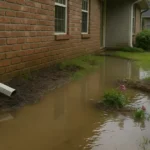
Hurricane season runs from June 1 to November 30, and the National Hurricane Center notes its peak is September 10. Around Baton Rouge and Livingston Parish, that means the first few days after a storm are when patio covers get looked at, if they get looked at at all.
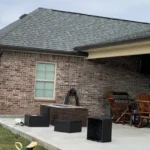
A patio cover is easy to overlook. It is not the house, so it tends to get a quick glance from the yard. But lightweight attached structures take a beating in wind, and a failing one can damage the home it is attached to.
Worried about your patio cover after the storm? We will inspect it from the posts to the house connection and tell you plainly what needs fixing and what does not.
Safety Before You Look at Anything
Do not rush out to inspect. The CDC’s guidance for after a hurricane says to “Stay clear of fallen power lines” and to call the electric company to report them. It also says “Do not enter a damaged building until local authorities determine it is safe.”
If you are running a generator, the CDC says to keep it outside and “at least 20 feet from any window, door, or vent.” Carbon monoxide is one of the quiet dangers after a storm.
And do not climb onto a damaged patio cover. Everything in the next section can be checked from the ground.
Why Patio Covers Take Storm Damage
Lightweight attached structures catch a lot of wind for their weight. The Insurance Institute for Business & Home Safety studied this in its research on attached structures in high winds, which tested aluminum carports and applies its findings to porches, awnings and canopies too.
After Hurricane Charley in 2004, IBHS reports, “Both studies found that 80% of attached structures in surveyed areas suffered partial or total destruction.” It also found that as they come apart, attached structures “can tear off parts of the home and become wind-borne debris.”
The forces rise fast. IBHS found that “It only takes a wind gust between 25 mph and 30 mph to create uplift forces on the carport that are greater than its weight,” and that by 60 mph gusts, total uplift “can exceed 2,600 pounds.” A Category 1 hurricane, on the Saffir-Simpson scale, brings sustained winds of 74 to 95 mph.
What to Check on Your Patio Cover From the Ground
IBHS’s research gives a practical inspection list. Work through it from the yard, with a phone camera in hand:
- Posts. IBHS says “Posts should be checked to see if there is bending or cracking,” and to look for “corrosion or rotting of posts at the foundation.”
- Post bases. Look for connection hardware that is rusted, missing or held with only small screws, which IBHS flags as a weak point. Check the anchors where the post meets the slab.
- Top connections. IBHS says “The top connections should be checked to make sure the hardware is not rusted and the connections are made with bolts, nuts and washers of adequate size.”
- The house attachment. Look for gaps, pulled flashing, or any separation where the cover meets the wall. IBHS notes this connection “is usually hidden from view,” so a professional inspection is worth it if anything looks off.
- Roof panels. Buckled, cracked or sagging panels, and any water that pooled on top during the storm.
If a post is bent, a connection has pulled loose, or the cover is sagging, keep people and furniture out from under it until it has been inspected.
See something bent, loose or sagging? Keep clear of it and call us. We will inspect the connections you cannot see from the ground.
Document the Damage Before You Clean Up
Photos are your insurance claim. The Louisiana Department of Insurance’s hurricane insurance guidance for Louisiana residents says: “Before you begin clean-up, take pictures or video of the damage that occurred both inside and outside your home.”
It also says to “Make temporary repairs to your property to prevent further losses” and to “Keep receipts for materials used.” What it does not want you to do is jump ahead: “Do not begin permanent repairs until after you have been instructed to do so by your insurance adjuster.”
FEMA’s guidance on documenting damage agrees, advising you to “Take photos and videos of the damage” and to keep receipts for repairs. Know your deductible before you file, too. The Louisiana Department of Insurance notes that a named storm deductible “typically ranges anywhere from 2%-5%” of a home’s insured value.
Hiring a Contractor After the Storm: Louisiana’s Rules
Storms bring out door-knockers, and Louisiana has rules that protect you. The Louisiana State Licensing Board for Contractors says to “verify the contractor’s license with the Louisiana State Licensing Board for Contractors” before you sign a contract or make a payment.
Which license is needed depends on the job. The board’s licensing requirements summary and its July 2026 memo on new laws set these tiers:
| Residential project | Who can do it |
|---|---|
| Home improvement, $7,500 up to $50,000, non-structural | A registered home improvement contractor or a licensed contractor |
| $50,000 or more, or any structural work | A licensed Residential Building Contractor |
| Roofing work of $7,500 or more (effective August 1, 2026) | A contractor with the Residential Roofing or Residential Construction classification |
That structural line matters for patio covers. Louisiana’s contractor licensing law says a home improvement contractor “shall not perform any structural work,” and lists footings, bearing columns and roofing systems among the examples. If your repair involves posts, footings or the cover’s roof structure, ask the contractor which license covers it.
Two more protections are worth knowing. The same law says any assignment of post-loss insurance benefits “shall be against public policy and void,” so do not sign your claim over to a contractor. And Louisiana law prohibits a seller paid from your insurance claim from agreeing to “pay, waive, absorb, or otherwise decline to charge or collect” your deductible without your insurer’s consent. A contractor who offers to “cover your deductible” is a red flag.
Common Questions About Patio Cover Storm Damage
These are the questions Baton Rouge and Livingston Parish homeowners ask after a tropical storm or hurricane. The answers draw on CDC, FEMA, Louisiana Department of Insurance, contractor licensing board and IBHS guidance.
How do I know if my patio cover was damaged in a storm?
Check from the ground. Look for bent or cracked posts, rusted or missing hardware at the post bases and top connections, gaps where the cover meets the house, and buckled or sagging panels. If anything looks off, keep people out from under it until it is inspected.
Is it safe to stand under a patio cover after a hurricane?
Not until you have checked it. If a post is bent, a connection has pulled loose, or the roof is sagging, stay out from under it. Research on attached structures found they can come apart in high winds and damage the home they are attached to.
Should I take photos before cleaning up storm damage?
Yes. The Louisiana Department of Insurance says to take pictures or video of damage inside and outside your home before you begin cleanup. Keep receipts for any temporary repairs, and do not start permanent repairs until your insurance adjuster says to.
Does a patio cover repair need a licensed contractor in Louisiana?
It depends on the scope. Home improvement work from $7,500 up to $50,000 can be done by a registered home improvement contractor, but structural work, including footings, bearing columns and roofing systems, requires a licensed residential contractor. Verify any license with the state licensing board.
Can a contractor pay my insurance deductible?
No, not without your insurer’s consent. Louisiana law prohibits sellers of goods or services paid from a property insurance claim from waiving, paying or absorbing your deductible. An offer to cover it is a warning sign.
Should I sign my insurance claim over to a contractor?
No. Louisiana’s contractor licensing law says any assignment of post-loss insurance benefits under a residential property policy is against public policy and void. Work with your adjuster directly, and hire a licensed contractor to do the repair.
Check It, Document It, Then Call
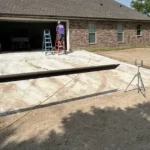
A careful look from the ground, a full set of photos, and a licensed contractor are the three steps that protect both your home and your claim. As a firefighter-owned company with over 12 years of experience, we handle patio cover repair and patio cover inspection across the Baton Rouge area. See our work in the project gallery.
Need your patio cover checked after the storm? We will inspect it, document what we find, and give you a clear quote with no surprises.